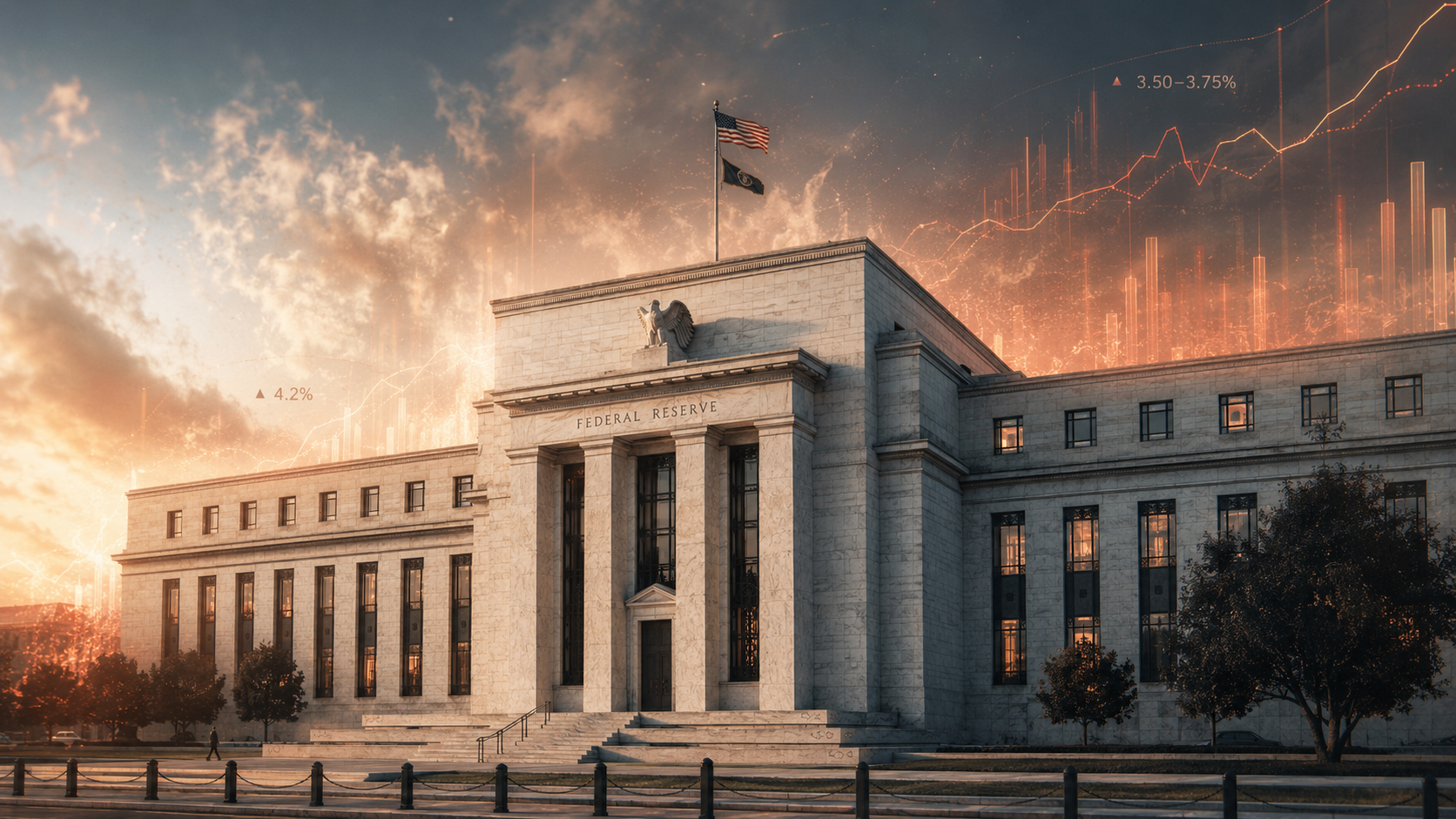
On June 17, 2026, the Federal Reserve left its target range for the federal funds rate unchanged at 3.50–3.75 percent. The decision reflects the transition of U.S. monetary policy toward simultaneously containing inflation, managing the rising cost of federal debt, and addressing risks associated with the growing concentration of capital in the technology sector.
At the beginning of 2026, markets expected that the change in Federal Reserve leadership would revive discussions about lowering interest rates. By spring, however, accelerating inflation and a rise in U.S. Treasury yields to 4.15–4.2 percent had fundamentally altered market expectations. Instead of anticipating monetary easing, investors began pricing in a rate increase before the end of 2026. The Federal Reserve is focused on restoring price stability, while the Treasury Department and the White House have a clear interest in reducing financing costs.
This divergence complicates the administration’s plans to steer Federal Reserve policy toward easing after the leadership transition. The bond market is demanding the opposite outcome — higher rates.
Unlock the full article
Read the complete analysis with instant access, or subscribe to receive unlimited access to all Solid Info publications.
Already subscribed? Sign in