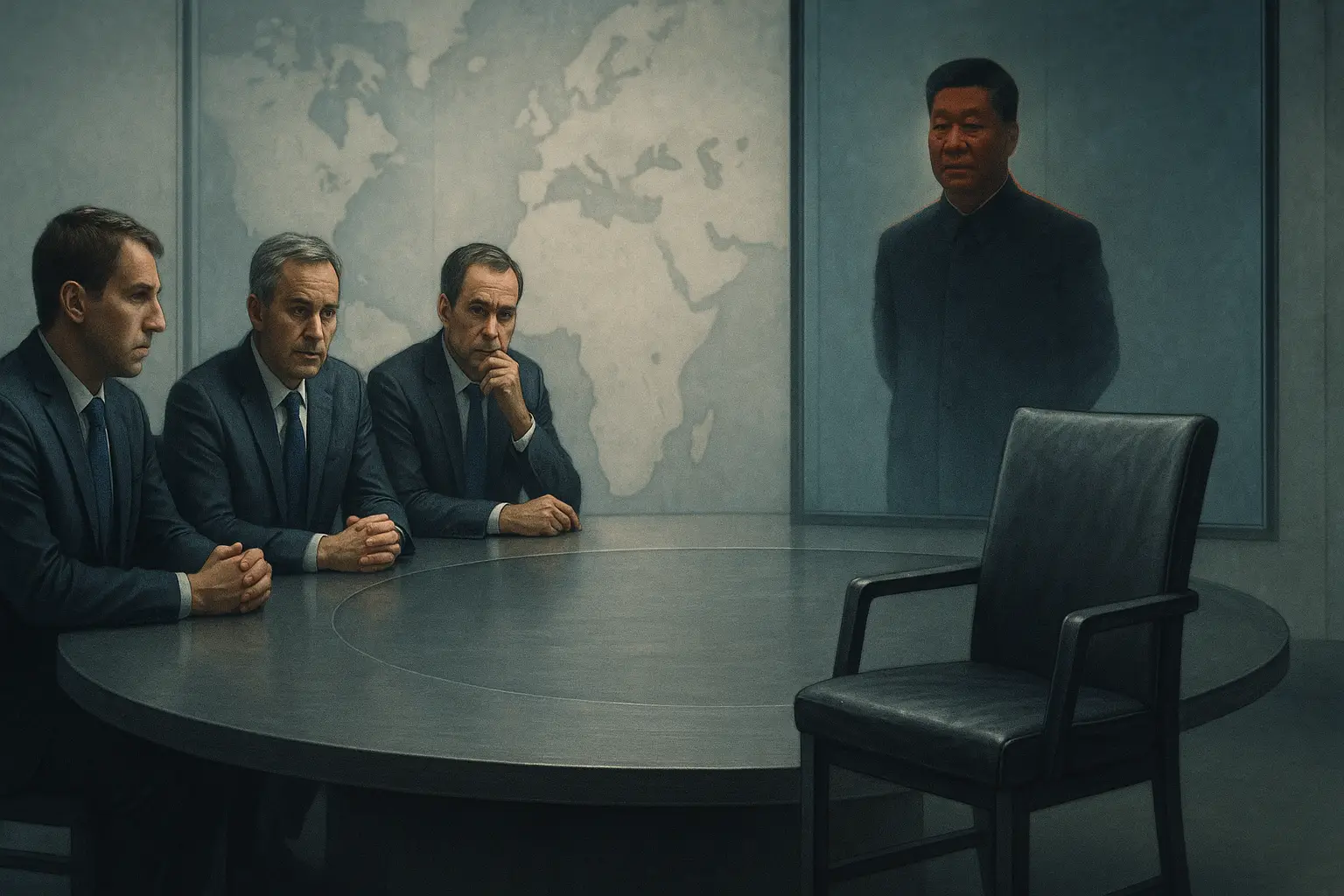
Transatlantic fragmentation: a crisis of cooperation within the Democratic bloc creates a window of opportunity for China’s strategy of global dominance

Solid Info
On May 23, 2025, shortly after G7 finance ministers in Banff agreed on a joint communiqué to stabilize the global economy, U.S. President Donald Trump unexpectedly announced a 50% tariff on all imports from the EU.
Two days later, on May 25, the White House abruptly suspended the decision, postponing its “activation point” to July 9 without explanation.
For Brussels, this two-day fluctuation was evidence that the current U.S. administration operates outside the logic of institutions and predictable negotiation cycles.
Since then, European capitals have adopted a new behavioral model: the primary risk lies not in the level of tariffs but in Washington’s strategic unpredictability, forcing the EU to shift to a defensive “endurance strategy” until the end of the current U.S. political cycle.
Subscribe to receive personalized reports, news, and publications
or