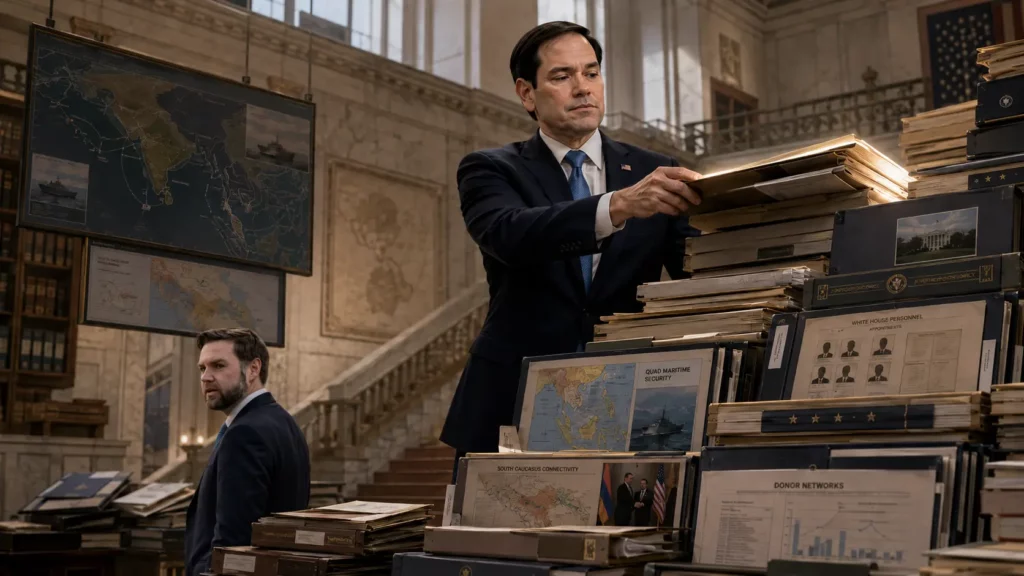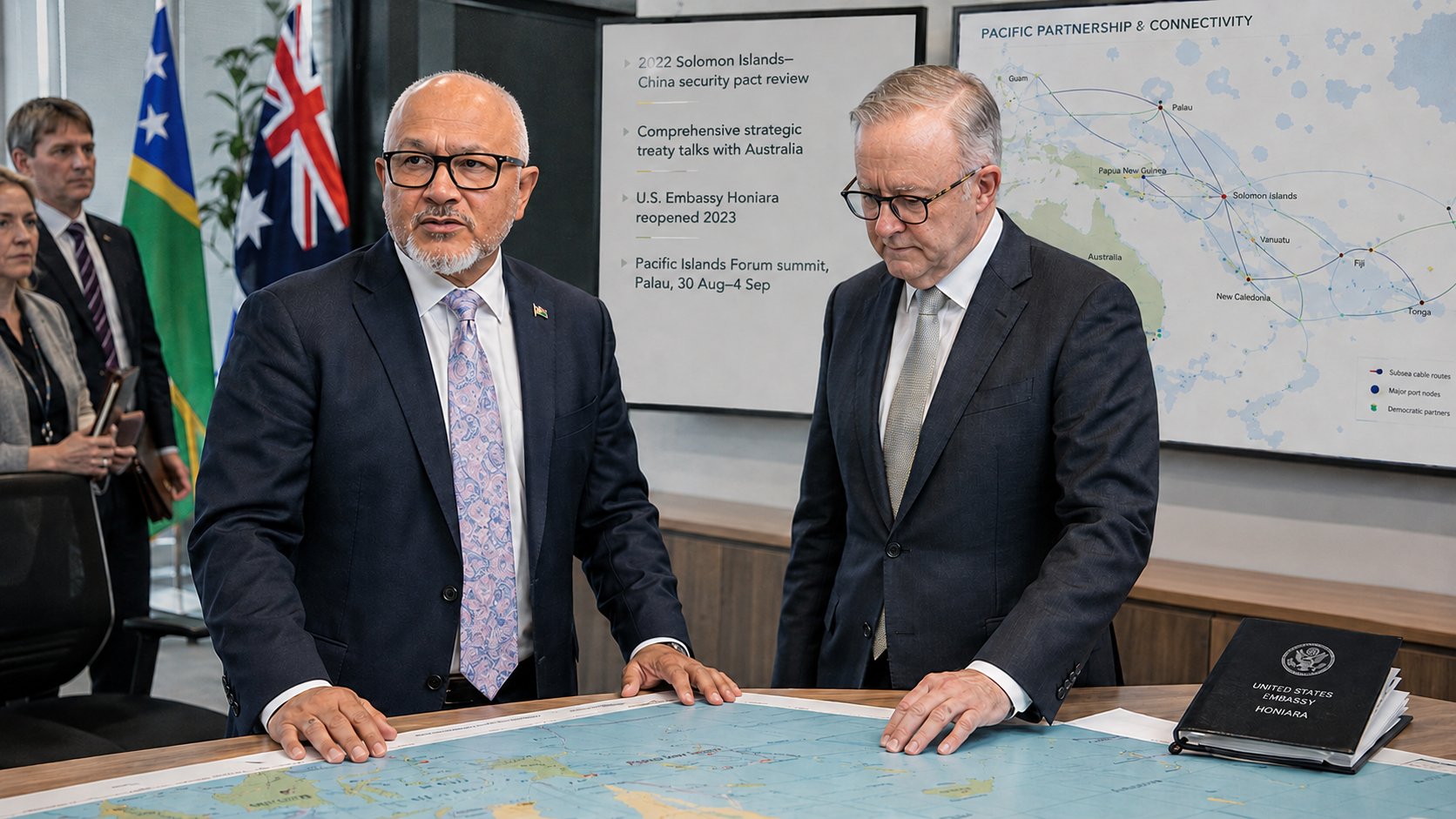
On May 15, 2026, the Parliament of the Solomon Islands elected Matthew Wale, the leader of the opposition and a consistent critic of the pro-China course pursued by previous governments, as Prime Minister. The new Prime Minister’s pro-Western orientation was also underscored by London’s recognition of him in late 2024, when Wale was made a Commander of the Order of the British Empire for political and public service.
The change of government in the Solomon Islands was preceded by active soft-power work by the United States and its security partners in the region, launched under a program of the previous administration from 2023. The transfer of power became the resolution of a prolonged political crisis that had been building since early 2026.
In March, 19 members of Parliament left Prime Minister Jeremiah Manele’s ruling coalition, creating an opposition majority in the 50-seat legislature. As Manele lost support, he began avoiding the convening of Parliament to prevent a no-confidence vote. In April, however, the Supreme Court of the Solomon Islands ruled that such delay violated the constitution.
Unlock the full article
Read the complete analysis with instant access, or subscribe to receive unlimited access to all Solid Info publications.
Already subscribed? Sign in